Understanding the Impact of Preheating on Metal Joins
Preheating is a crucial step in many metalworking processes, especially when joining metals. This method involves heating the metal before welding. It helps to achieve a more stable and durable bond. It’s particularly beneficial when working with various types of alloys that require precise control over temperature fluctuations during welding. By preheating the metal, you can minimize the risk of thermal shock, which can lead to cracking or other structural issues.
How Preheating Enhances Bonding Strength
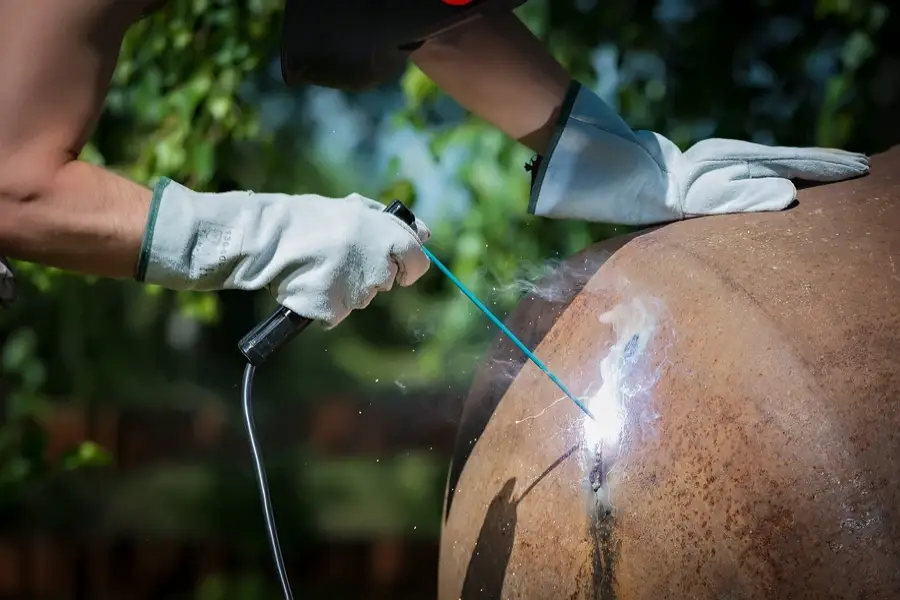
Preheating enhances bonding strength by reducing the temperature differential between the weld area and the base metal. This process allows for an even heat distribution, resulting in a more uniform weld joint. When applied correctly in aluminum welding projects, preheating ensures that the weld pool forms properly and adheres to both sides seamlessly. This practice also reduces internal stresses within the metal, contributing to a longer-lasting and more resilient structure.
The Benefits of Preheating for Aluminum Welding
Utilizing preheating techniques in aluminum welding presents several benefits. First, it prevents rapid cooling, which can cause brittleness at the weld site. Second, it improves the flow of filler material, ensuring better penetration and cohesion. Lastly, preheating reduces moisture content on the metal’s surface, minimizing porosity and hydrogen-induced cracking. These advantages make preheating an essential step in achieving high-quality welds.
Challenges Faced Without Proper Preheating
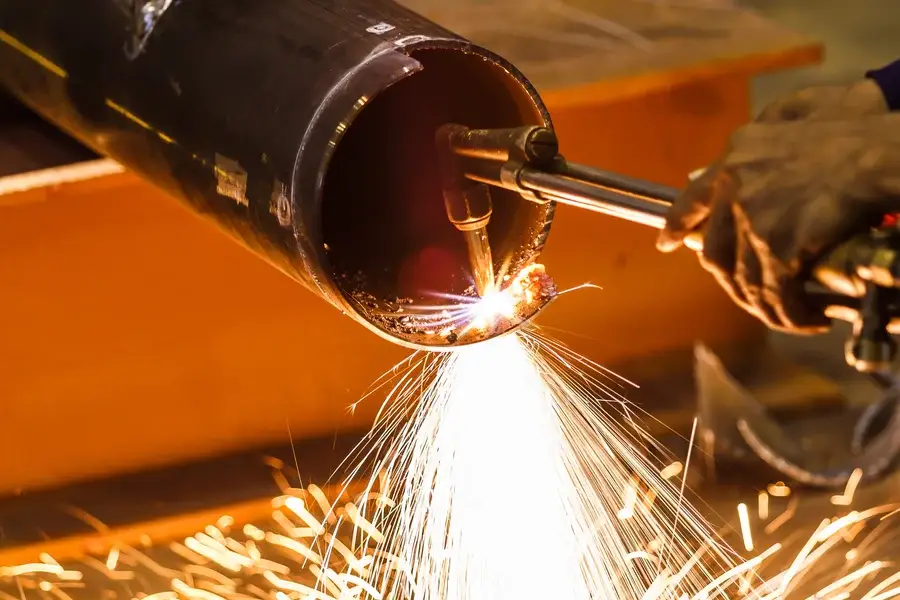
Skipping the preheating stage can lead to several challenges. Cold starts and poor fusion are common issues when this step is overlooked. Additionally, without proper heat management, materials may suffer from warping or excessive distortion. Such problems not only compromise the aesthetic appeal but also reduce the overall integrity of the welded structure.
Steps to Implement Effective Preheating
- Assess the type of alloy being used and its specific preheat requirements.
- Choose an appropriate heating method such as a torch, induction coil, or oven.
- Use pyrometers or thermocouples to monitor temperature consistently.
- Maintain a uniform temperature throughout the entire piece before starting the weld.
Best Practices With Industry Standards
To align with industry standards, always consult the relevant guidelines for your specific project. Follow established protocols for preheating temperatures and durations based on material specifications. Regular calibration of heating equipment ensures accuracy. Moreover, keep detailed records of all preheating activities to meet compliance needs and quality assurance requirements.
Financial Aspects of Using Preheating Techniques
While implementing preheating adds to upfront costs due to energy usage and time investment, it ultimately offers a substantial return on investment. By enhancing weld quality and reducing repair rates, businesses can save significantly on future maintenance expenses. Investing in reliable equipment and skilled personnel further optimizes cost efficiency in aluminum projects.
Get Started With Expert Welding Solutions Today!
If you’re located in Turlock, CA, consider partnering with OMC Tank Repair Shop for all your welding needs. Our team excels in delivering top-notch services tailored to ensure optimal results for every project. Contact us at (209) 667-9905 today to learn how we can assist you in achieving superior outcomes through effective preheating strategies.